
Hands-On Network Troubleshooting Program
Learning network issues by reading theory alone doesn't prepare you for real problems. Our program puts you in actual troubleshooting scenarios from day one—working through connectivity failures, analyzing packet drops, and solving issues that mirror what IT professionals face daily across India's growing tech infrastructure.
Schedule Information Session
Built Around Real Problem-Solving
We've structured this around how network problems actually happen—not in neat chapters, but messy and interconnected. You'll start with basic connectivity checks and build toward diagnosing complex routing failures and performance bottlenecks.
The program runs for eight months, starting in February 2026. Each week combines guided troubleshooting sessions with independent lab work. You'll use equipment similar to what's deployed in Indian enterprises and ISPs—routers, switches, and monitoring tools that you'll encounter in actual IT environments.
- Weekly troubleshooting labs with progressively complex scenarios
- Access to virtualized network environments for practice outside class
- Documentation workshops focused on incident reporting
- Small group sessions with max 12 participants for individual attention
What You'll Actually Work Through
The curriculum follows troubleshooting methodology rather than technical topics in isolation. Each phase builds diagnostic skills through progressively challenging network problems.
Foundation Diagnostics
Starting with the basics that matter—verifying physical connections, understanding indicator lights, using ping and traceroute effectively.
- Cable testing and connection verification
- Command-line diagnostic tools
- Reading system logs correctly
- Basic IP configuration issues
Layer-by-Layer Analysis
Working through the OSI model practically—learning when problems are physical, when they're routing, and when they're application-level.
- Systematic isolation techniques
- Switch and router configuration review
- VLAN and subnet troubleshooting
- Common misconfigurations in enterprise setups
Performance and Monitoring
Moving beyond "it's broken" to understanding slow networks, intermittent issues, and capacity problems that show up gradually.
- Packet capture and analysis
- Bandwidth utilization assessment
- Identifying bottlenecks in network paths
- QoS issues and their symptoms
Who's Teaching This
Our instructors work in network operations and come to sessions with recent problems they've solved. They're here because they remember struggling with the same concepts and want to make the learning path clearer.
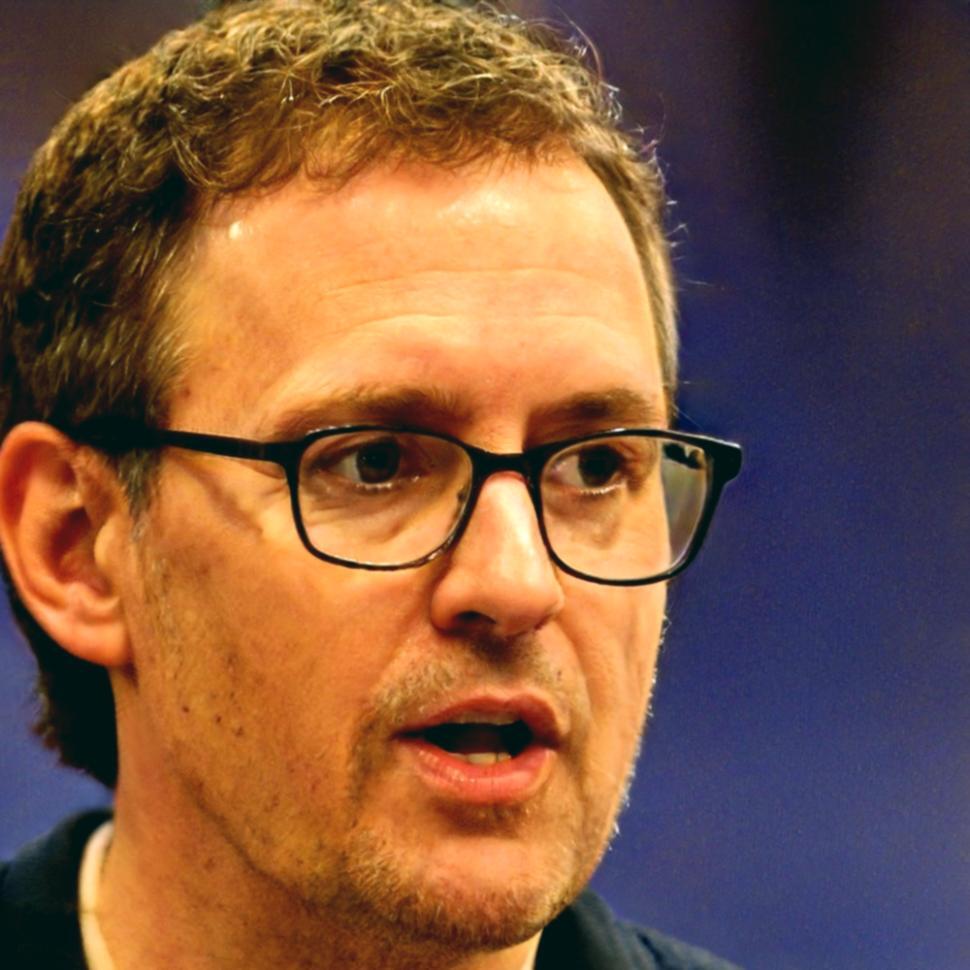
Raghav Tandon
Network OperationsRaghav spent seven years managing ISP infrastructure before teaching. He focuses on methodical troubleshooting—the kind that finds root causes instead of temporary fixes. His sessions emphasize documentation habits that actually help during 2 AM outages.
Previously with Bharti Airtel network operations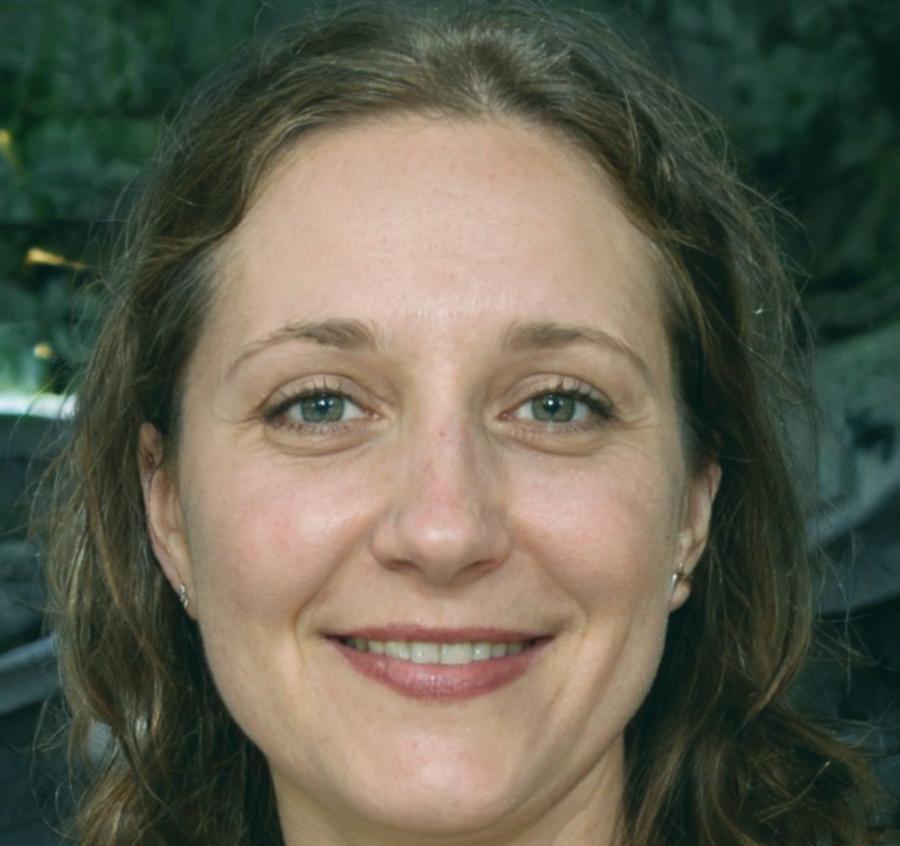
Meera Deshmukh
Enterprise NetworkingMeera handles campus network support for a multinational with offices across Maharashtra. She brings real scenarios from deployments gone wrong, configuration conflicts, and the politics of network changes in large organizations.
Network architect for enterprise environments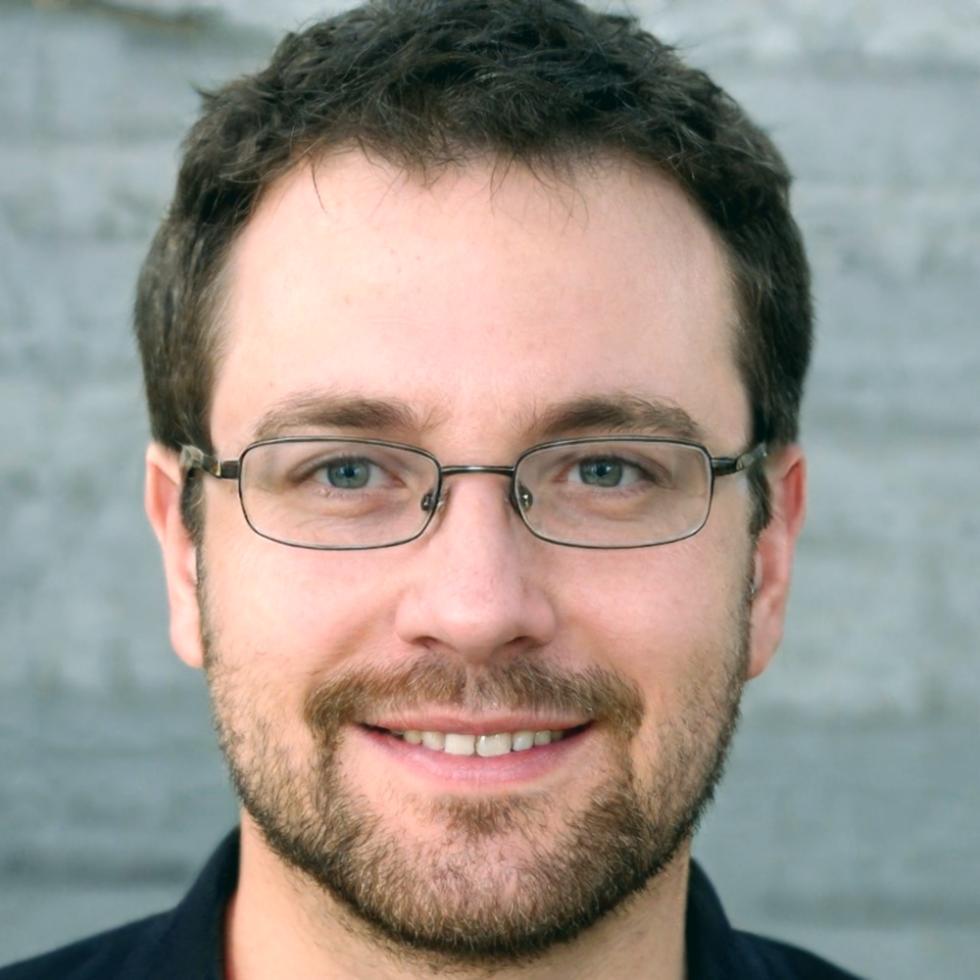
Vikram Kulkarni
Security and MonitoringVikram works in network security and knows how performance issues often hide security problems. His labs involve packet analysis and understanding what normal traffic looks like—crucial for spotting anomalies before they become incidents.
Security monitoring for financial sector networks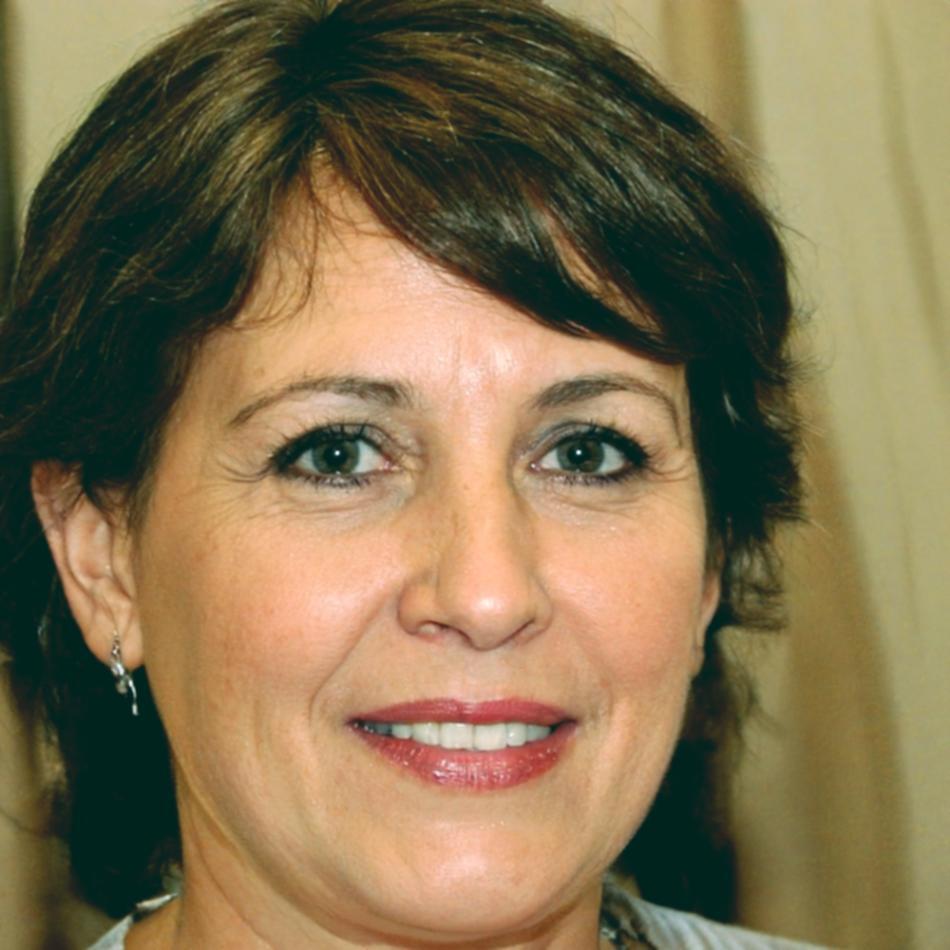
Anjali Rao
Wireless and Remote AccessAnjali specializes in WiFi troubleshooting and VPN issues—the areas where most first-level support tickets originate. She teaches systematic approaches to problems that initially seem random but follow patterns once you know what to look for.
Wireless infrastructure consultant for education sectorJoining the February 2026 Cohort
We're keeping the group small—12 participants—so everyone gets lab equipment time and instructor attention. Applications open in November 2025, with selections finalized by mid-January.
Initial Inquiry
Send us your background—what you've worked with, what you've struggled with, and why network troubleshooting interests you. We're looking for people genuinely curious about why networks fail, not just those collecting certifications.
Technical Discussion
We'll have a conversation about a network problem—doesn't matter if you solve it. We want to see how you approach unfamiliar situations and ask questions. This usually takes 30-40 minutes over video call.
Schedule Confirmation
The program requires consistent attendance—Tuesday and Thursday evenings, plus weekend lab access. We'll confirm you can commit to eight months of this schedule before finalizing enrollment.
Pre-Program Setup
Before February start, you'll get lab access credentials and setup instructions. We'll also share reading materials—not textbooks, but incident reports and troubleshooting documentation from real environments.